


Bridges
Implementing concrete bridges is not just an executive step in the project. It is a strategic engineering decision that directly affects the cost, duration of implementation, safety level, and quality of the bridge in the long term. Therefore, choosing the correct implementation method begins with a good understanding of each method, when to use it, and when to choose it incorrectly.

First: What determines the method of implementing a concrete bridge?
Before we get into the implementation methods themselves, we must understand that there is no single method that works for all projects. Choosing the implementation method depends on a number of basic factors, the most important of which are:
The length of the sea and the number of seas
Short seas are completely different from long seas in the method of implementation.
Nature of the site
Is the bridge over a river, highway, railway, or empty land?
Soil type and groundwater level
Design loads
Project timetable
Available cost
Contractor capabilities and existing equipment
All of these factors go into the decision, and any neglect of one of them can create a major problem during implementation.
Second: Implementation of concrete bridges cast on site
Implementation idea
This is the oldest and most famous method of implementing concrete bridges. The idea is simply that all the concrete elements are penetrated and poured into the same site using wooden or metal formwork.
Implementation steps in brief
Implementation of foundations (foundations or piles)
Casting columns and supports
Installing formwork for beams and slabs
Reinforcing concrete elements
Concrete pouring and curing
Loosen the wrenches
Features
High flexibility in implementation
You don't need to move heavy items
Suitable for contractors with medium capabilities
Disadvantages
Longer execution time
Concrete quality is affected by weather
Disabling movement under the bridge
High cost of tugs in large seas
When are you used?
Bridges with short and medium spans
Locations that do not have a problem with closing the road or the space under the bridge
Third: Implementation of precast concrete bridges
What does a pre-cast bridge mean?
In this method, the concrete elements are fabricated outside the site in a factory or casting yard, and then transported and installed in their final location.
The most popular precast elements
Precast beams
Slabs
Segments in some systems
Implementation steps
Manufacturing concrete elements, transporting them to the site, lifting and installing them using cranes for pouring concrete joints
Features
Great speed of implementation, higher quality of concrete, and reduced on-site work
Disadvantages
The need for heavy lifting equipment
Restrictions on the lengths and weights of elements
Sometimes high transportation cost
When is it the best choice?
Bridges over highways
Projects where time is crucial
Sites where it is difficult to perform traditional pulls
Construction of bridges
Fourth: Balanced Cantilever Method
The idea of the method
This method is used in bridges with long spans, and depends on constructing the bridge from the top of the columns without any lower tensions.
Implementation steps
Implementing the column and the Pier Head. Casting small segments on both sides of the column alternately. Maintaining balance during implementation. Using post-tension cables.
Features
Very suitable for long seas
Do not obstruct navigation or traffic under the bridge
High security in sensitive sites
Disadvantages
It requires high precision in implementation
Relatively higher cost
Requires significant engineering experience
Its common uses
Bridges over rivers
Bridges over valleys
Locations where it is impossible to install formwork
Fifth: Incremental Launching Method
Implementation idea
In this method, the bridge is poured in stages behind the supports, and then it is gradually pushed forward until it reaches its final position.
Implementation steps
Casting a section of the bridge
Tighten cables
Moving the sector forward
Repeat the process until the bridge is completed
Features
Reduced on-site work, high safety
Suitable for bridges over busy roads
Disadvantages
Additional stress while pushing
Not suitable for all geometric shapes
It needs a careful structural study
Sixth: Common mistakes in choosing the method of bridge implementation
Choose the method based only on cost
Ignore the nature of the site
Not studying the timetable
Poor coordination between the design and technical office
Relying on previous experience without studying the current project case
These errors often appear during implementation and cost the project a lot of time and money.
Eighth: Common questions about methods of implementing concrete bridges. Is there one method better than the other? No, each method has its uses depending on the circumstances of the project.
Are precast bridges always better? Not always, sometimes the location or weights prevent its use.
When do we use balanced cables?
In long seas and locations that do not have space to work under the bridge.
 Conclusion
Choosing the method of implementing a concrete bridge is a very important engineering decision, and it must be based on a comprehensive study of all project factors. The correct method saves time, cost, and reduces risks during implementation, and this is an essential role for the technical office and the responsible engineer.
Our organization works to implement and develop road and bridge projects according to the highest quality standards, with the aim of improving the transportation network, facilitating the movement of citizens, and supporting sustainable development.
Buildings
Types of buildings: Different types of buildings
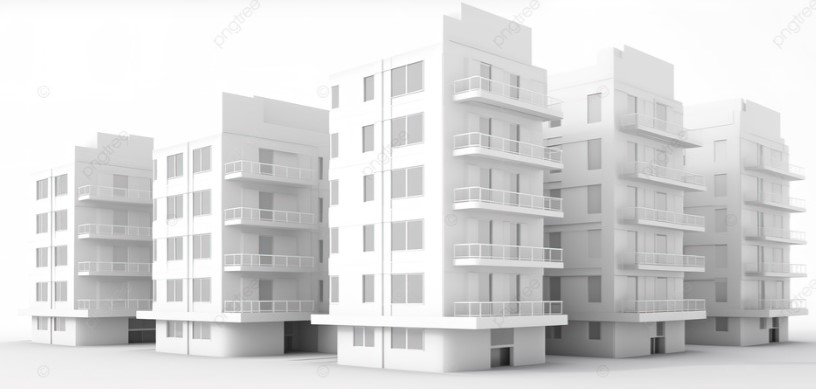
Providing safe accommodation is one of the main goals of the construction and real estate sector. Buildings provide weather protection, security, living space, personal space, storage, and energy, as well as the ability to live and work in comfort. Here in this article, we will review the basics of buildings, such as the definition of a building, the importance of having different types of buildings, and the types of buildings in civil engineering.
What is a building?
A building is any man-made structure that rests on a foundation and consists of walls made of architectural cladding systems, floors, roofs, chimneys, plumbing systems, and other building services, as well as permanent features.
Such as a balcony, balcony, or any architectural protrusion connected to the building or forming part of it.

The structural components of a building, such as the foundation, podium, slabs, walls, etc., are some of the most important parts of any building and must be carefully designed and constructed to ensure proper functional and structural performance.
Buildings include homes, offices, shopping malls, hospitals, schools, and many more. When purchasing a property, buyers consider factors such as price, location, market trends, taxes, homeowners association fees, and the overall condition of the building.
One of the first decisions to make when buying a home is whether to buy an existing building or build it from scratch. Real estate experts recommend that potential buyers spend enough time planning or designing their ideal home before signing contracts or making down payments.
Using construction services, such as those offered by Abdul Rahman Al Moaibed Group, can assist in this process, ensuring every aspect of your new home is carefully planned and executed to suit your needs and preferences.
Why are different types of buildings needed?
Having the right structure for each construction project is essential, as the requirements of each project vary. The basic function of a building is to bear various loads without failure.
Before the Industrial Revolution, most structures were built of wood or stone. The half-timbered construction system was common, but was replaced by steel as the modern era developed. Steel has high strength, durability and heat resistance compared to other materials. In the 20th century, the use of concrete became popular as a major building material, greatly revolutionizing the construction industry.
Based on these materials, buildings vary in weight, strength, durability, and design. Each material plays an important role in the type of construction and affects its properties.
For this reason, buildings must be able to balance under the influence of different loads. This is achieved by anchoring the structure to the ground in a way that allows the necessary feedback to balance the forces acting on it. These buildings should not have cracks or fissures resulting from internal stresses. Therefore, it is necessary to study the resistance limits of materials before starting construction.
What are the types of buildings in civil engineering?
The classification is based on the following building types, which classifies buildings by use:
Residential Buildings
Institutional Buildings
Educational Buildings
Business Buildings
Small commercial buildings
Industrial Buildings
These are the main categories of buildings, and we'll go over each type in detail later.
01. Residential buildings
Buildings that have at least one habitable bedroom, whether or not they have kitchens and dining spaces, are classified as apartment buildings. The building's name and function indicate its importance. If more than 50% of a building's area is devoted to housing, it is classified as a residential building. All homes have common spaces such as living rooms and dining rooms, separate bedrooms and bathrooms, as well as kitchens. Types of residential buildings include:
Townhouse
Residential apartments (villas or apartments)
Hotels
When you hear the term “apartment building”, the first thing that comes to mind is “home”, right?
02. Institutional buildings
Institutional buildings are large structures used for various purposes, such as:
Providing medical care to people suffering from physical or mental illnesses
Care for children and the elderly
Prisons or correctional centers where there are severe restrictions on the freedom of inmates
Most of these buildings have sleeping quarters for their residents. Cities usually include civic buildings dedicated to serving the public, whether owned by the government or operated in partnership with the private sector. For example, not all hospitals are owned by the government, as there are many private hospitals as well.
Common institutional buildings include:
Hospitals
Museums
Courts
Post offices
Prisons
Libraries
Community centers
03. Educational buildings
Educational buildings are dedicated to various academic activities, covering all levels of education, from kindergartens to universities. Examples of educational buildings include:
Schools
Colleges
Universities
Training institutes
These educational institutions can be government or private.
04. Commercial buildings
Commercial buildings may be a single building or a group of facilities on a single site, whether small or large. The primary purpose of these buildings is to host various commercial activities.
These buildings are typically used for business purposes and managing accounts and financial records. Examples include:
Offices
Banks
Professional institutions
Courts
Libraries
These buildings are used for official business, record keeping and other business-related activities.
05. Small commercial buildings (mercantile)
Small commercial buildings include wholesale and retail stores. Business structures can be considered part of this classification, such as:
Grocery stores
Markets
Convenience stores
These buildings are used daily in the community to meet the needs of residents and support various business activities.
06. Industrial buildings
Industrial buildings are intended for the purposes of manufacturing, processing, and assembling goods and materials. Types of industrial buildings include:
Manufacturing units
Factories
Mills
Assembly plants
Power plants
Gas stations
Oil refineries
Dairy factories
After reading this classification of buildings, you will have a clearer understanding of the different types of structures you can use for your home, office, or other construction project.
What's great is that you can combine different building types to create the perfect structure to meet your needs.
Architectural and engineering design:
Preparing innovative architectural designs and accurate engineering plans.
With the use of the latest design technologies such as digital modeling
Structural implementation:
Implementing residential, commercial, and industrial projects with high quality. With attention to detail to ensure that projects conform to designs and specifications. Include:
1. Industrial construction:
Construction of industrial buildings such as factories and warehouses.
Design and implementation of structures that require special specifications for industrial environments.
2. Residential and commercial construction:
Building residential projects (houses, residential complexes).
Construction of commercial buildings (offices, shopping centers, hotels).
Ready to turn your vision into reality? Contact us today to start your construction project. With us, quality and excellence are the foundation.”
Water and sewage networks
We create and modernize water and sanitation networks to ensure safe and effective services reach citizens, while using the latest technologies to conserve resources.
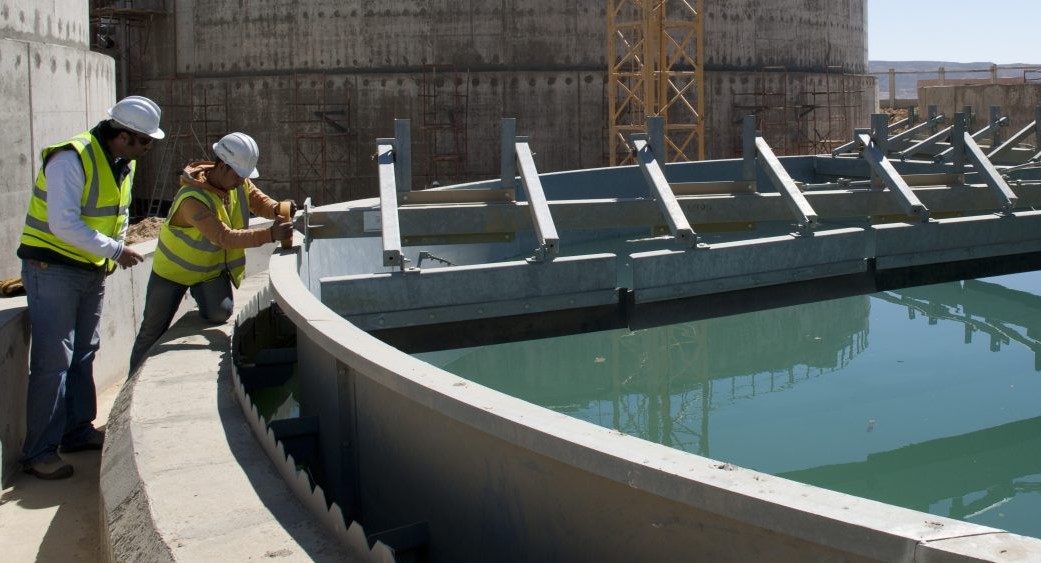
The Corporation contributes to the development of energy infrastructure through the establishment and maintenance of electricity stations, in a way that supports the stability of electrical supplies and keeps pace with the needs of the future.
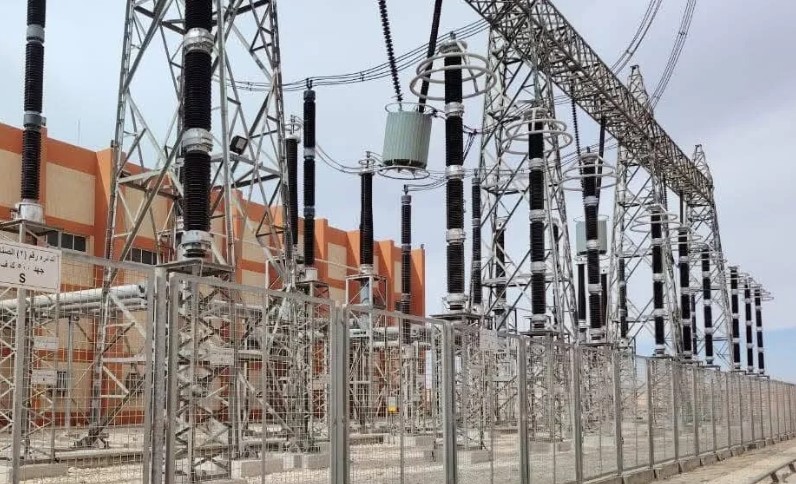
The organization implements many modern construction projects aimed at developing facilities and services, while adhering to the highest standards of safety and quality.